
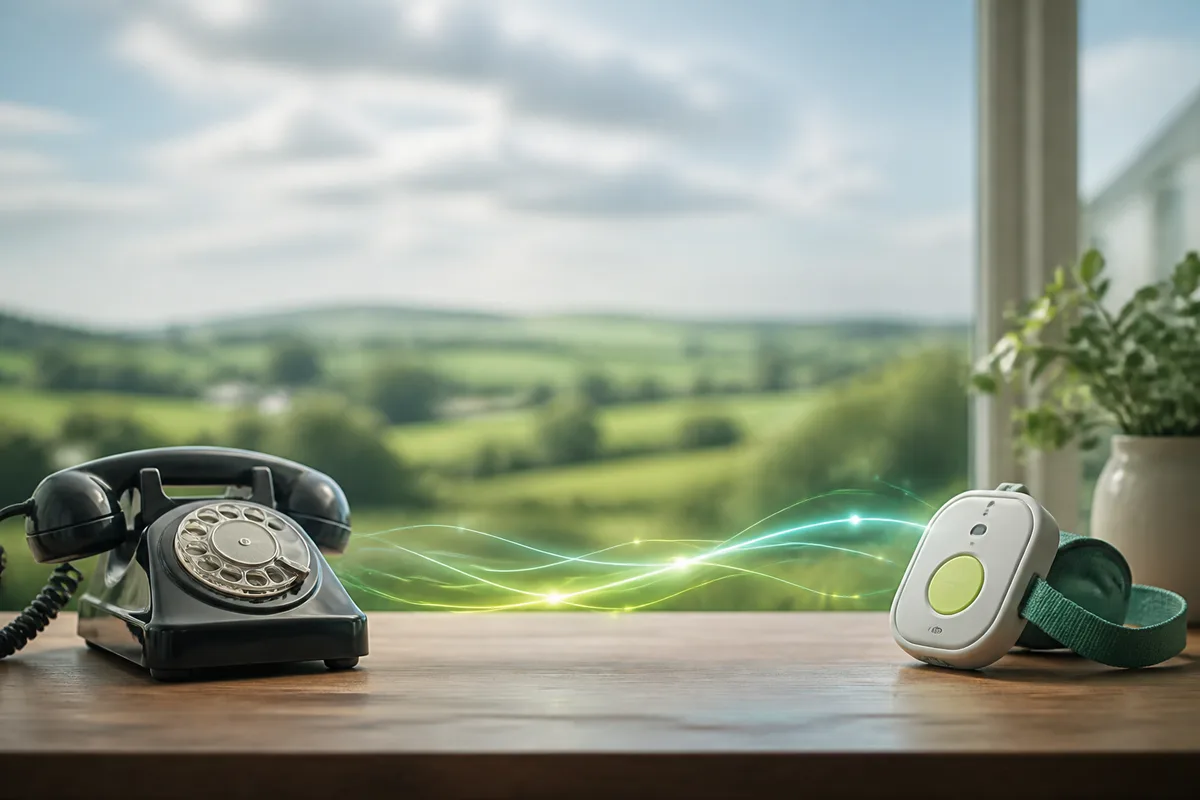
Many telecare problems begin in the gaps between teams: an incomplete referral, an old contact number, an untested call route or a charging instruction nobody owns. A controlled rollout treats the device lifecycle as part of the care pathway.
1. Referral and assessment
Capture the outcome sought, user preferences, accessibility, routine, environment, consent, response contacts and charging support. Choose the product only after suitability is clear.
2. Configuration
Use verified data. Record the device identifier, user, ARC code, contact sequence, alert rules, portal group and service start date. Apply a second-person check to safety-critical fields.
OwnFone states that professional devices can be configured in advance to service requirements. Agree responsibilities and the acceptance record with the supplier.
3. Installation and explanation
Introduce the purpose in the user’s language. Demonstrate only the tasks they need, then ask them to complete those tasks. Check comfort, placement, wearing method, charging and signal.
Give contacts and carers instructions relevant to their role. Avoid leaving a thick manual as the sole training method.
4. End-to-end test
Activate every relevant alert and confirm identification, routing, speech, location, escalation and closure. Test a missed first contact where applicable. Record the outcome.
5. Early review
Contact the user after a few days and again after an agreed period. Ask whether they carry the device, understand it and feel it supports the intended activity. Review false or missed alerts without blame.
6. Ongoing management
Maintain contact data, portal access, device status, batteries, replacements and incident learning. Assign operational owners rather than assuming the original installer remains responsible.
7. Change and decommissioning
When needs change, reassess rather than simply adding features. At service end, remove portal access, erase or archive information according to policy, recover equipment and confirm the user has an alternative pathway where required.
The rollout is successful when the person knows what to do and the service knows what happens next. Explore OwnFone telecare, Footprint telecare or contact the team.